
A great commercial photoshoot begins long before you ever step in front of a camera. Whether you’re refreshing your website, showcasing team headshots, or telling your brand’s story, the right sort of preparation can eliminate logistical hurdles and deliver maximum return on interest for your business.
This guide offers practical, clear advice for preparing for a commercial photoshoot, balancing brand consistency, comfort on the day, and strategic image use across your business.
Use it as a checklist, a conversation starter, or a preview of what to expect. If you’re working with a photographer (or a team), it’s the kind of resource we hope you’ll be handed before the first meeting.
Why Preparation Matters
When clients arrive prepared, photoshoots run smoothly. The team relaxes, the schedule stays on track, and most importantly, the final images tell your story with clarity and confidence.
“The one thing that makes the biggest difference is spending the time to get clear about your goals – and the outcomes for the photoshoot.”
Good preparation:
- Keeps the visuals aligned with your brand
- Saves time during the shoot
- Prevents unexpected costs (like reshoots or running overtime)
- Helps real people (your team!) feel confident and comfortable on camera

1. Clarify Your Goals
Always start with the “why.” What is this shoot for?
Are you:
- Updating a tired website that no longer reflects your business?
- Introducing new team members?
- Creating marketing content for a campaign?
- Refreshing your employer branding to attract the best talent?
Here are the Top 3 questions to ask when planning for your commercial photoshoot:
- What are the key services or areas of your business you want to capture?
- Who are the people that need to appear in the images?
- How will the images be used – and where?
These questions not only help to eliminate logistical hurdles; they bring your team’s visual identity into focus.
You don’t need to have all the answers yet. The right photographer will help you get there.
2. Use a Mood Board (You Don’t Need to Be a Designer)
Mood boards aren’t just for creative agencies. They’re helpful for:
- Capturing the feeling you want the images to convey
- Aligning stakeholders before the shoot
- Speeding up creative approvals
Together, you and your photographer will explore:
- Lighting: natural vs. directional, soft vs. hard, indoor vs. outdoor
- Colour: warm and energetic, or cool and minimal
- Texture and form: adding personality through material elements, props, and your environment
Try a creating a Moodboard Pinterest, or Google Slides
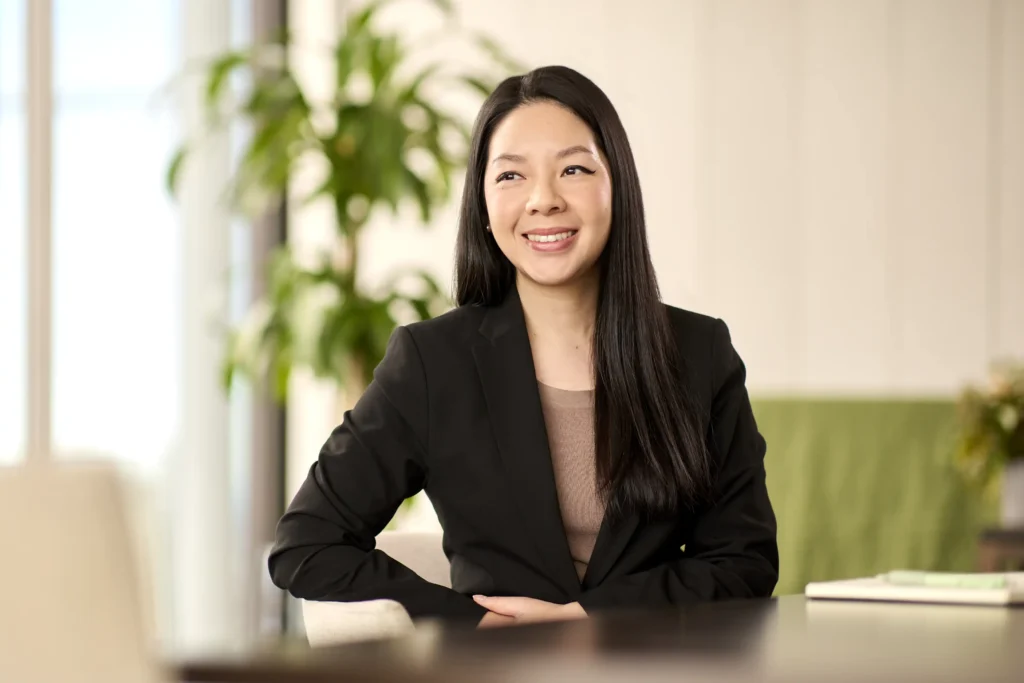
“These days, many brands are warming up their look – moving away from blank white walls and embracing greenery, colour, and texture.”


3. Build a Basic Checklist
Here’s what to think through before the day:
| Element | Notes |
| Wardrobe | Comfortable, flattering clothes that reflect your brand. Avoid heavy patterns or logos unless intentional. |
| Haircuts & Grooming | Plan these at least a week before the shoot. A natural, light-to-medium makeup look works well for most corporate sessions. |
| Space & Access | Clear desks, clean glass, hide loose cables. Set aside a ~4x4m quiet zone if doing headshots. |
| Props & Set Styling | Add simple visual warmth with plants, books, bowls of fruit, or lamps. |
| Team Briefing | Let staff know the tone, the process, and when they’ll be needed. Encourage opt-outs if necessary. |
| Backup People | For team shots, have alternates available in case of illness or absence. |

4. Develop a Shot List (But You Don’t Have to Do This Alone)
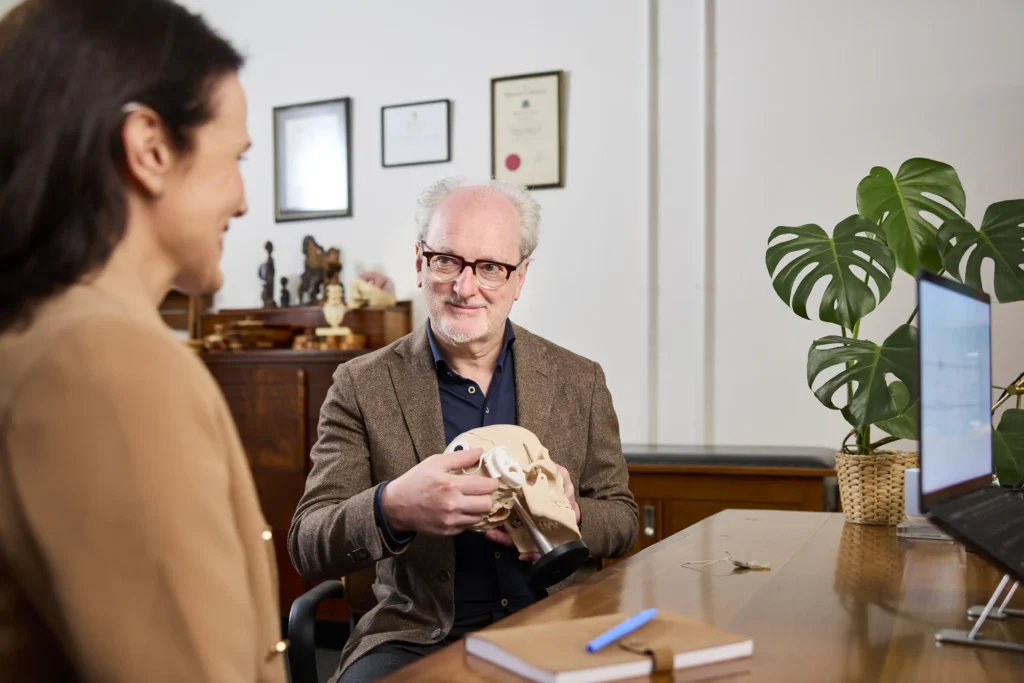
Some clients arrive at their planning session with a fully-populated spreadsheet, and others come with a napkin sketch of ideas they pieced together over lunch. Our team has seen it all.
Whatever your vision, your photographer will help you turn it into a working shot list, which is the core documentation heading into any photoshoot.
A working shot list typically outlines your:
- People photos (leadership, teams, staff interactions)
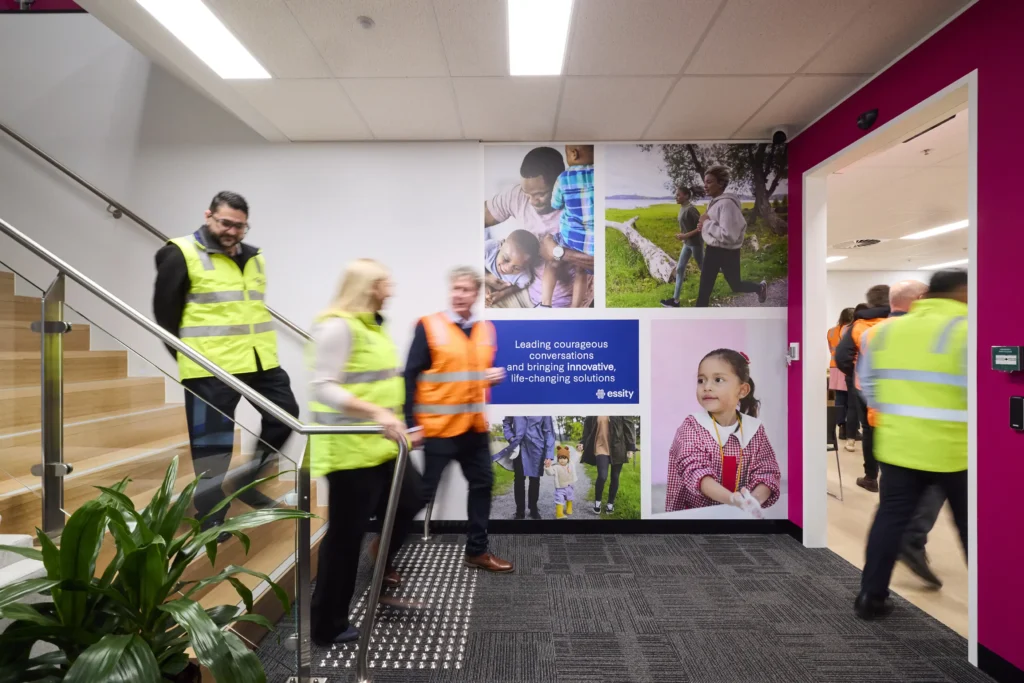
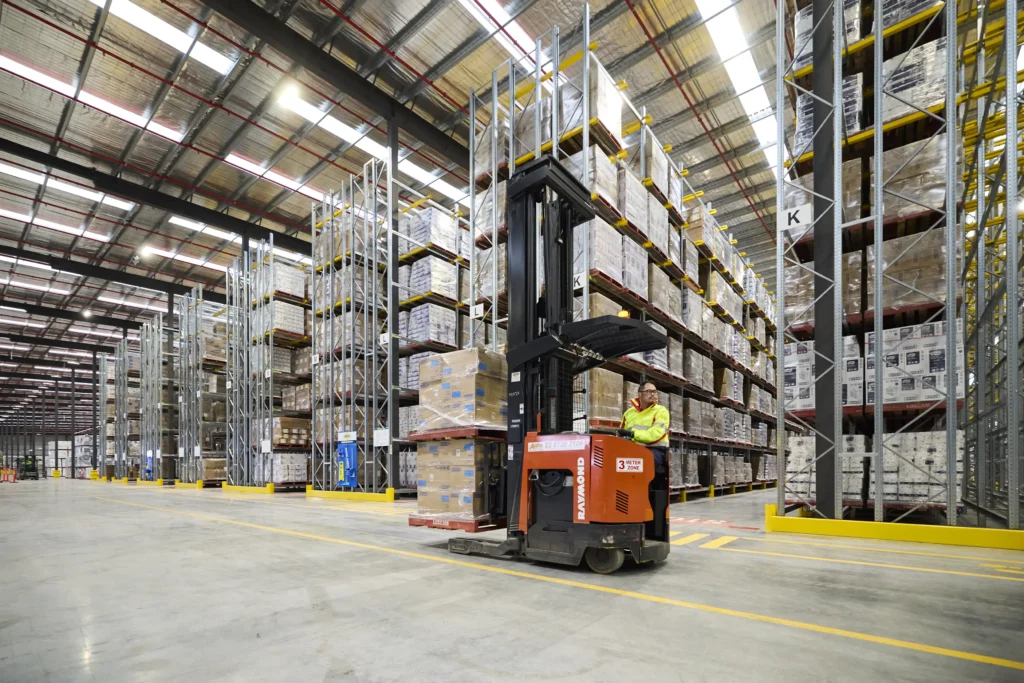
- Workplace scenes (real tasks in motion)
- Environment (interiors, exteriors)
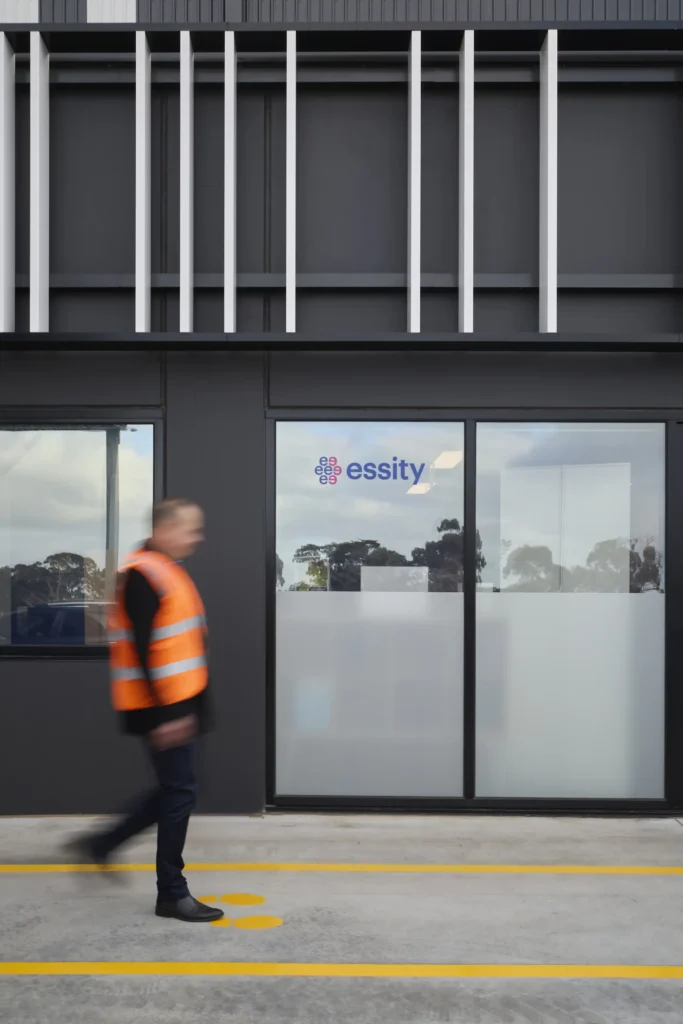
- Details and branding (logo, signage, brand colours in context)
Furthermore, we break shots into:
- Must-haves – the non-negotiables – and
- Nice-to-haves, which are ideal if time allows
Each photo can also be assigned:
- A location
- The people involved
- The purpose or message behind the image
- Estimated time required
“My job is to help you manage expectations. I assign a number of minutes per shot and check if the list is achievable.” – Kit Haselden
5. Sequencing Your Shoot to Run on Schedule?
Once the list is in place, we start scheduling:
- Outdoor shots should happen when the light is best. Morning or late afternoon – never around lunchtime.
- Busy team members can be grouped into early windows
- Headshots can happen first as they are sometimes the most important
6. Help Your Team Feel Ready
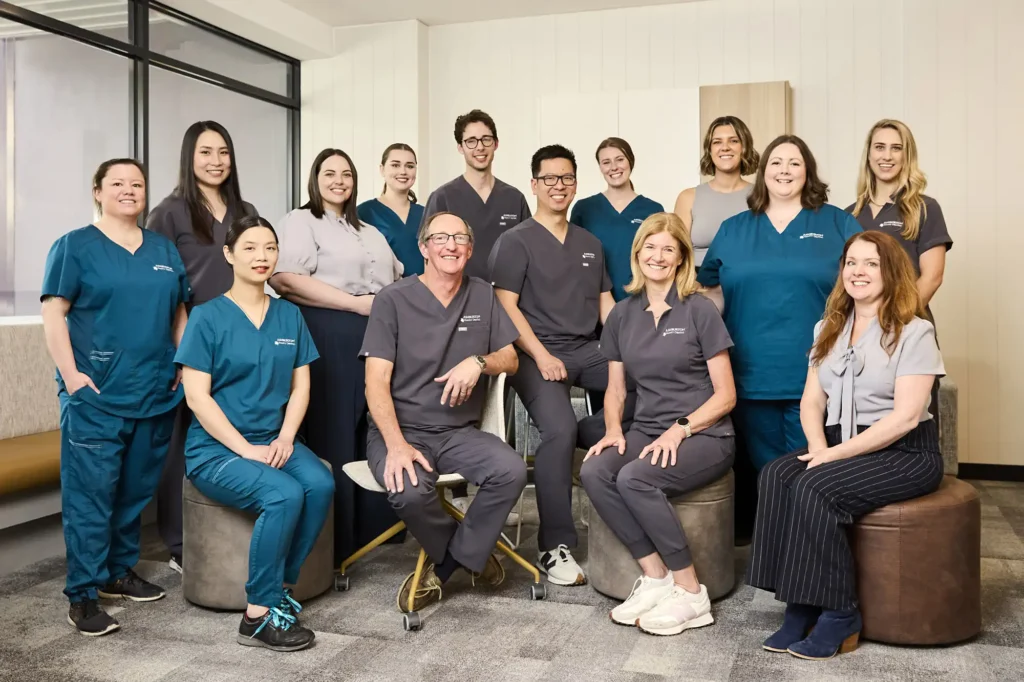
Most commercial photoshoots feature real people – CEOs, staff, team leads – and not everyone may not love being in front of a camera.
A good photographer will:
- Build rapport quickly
- Assess comfort levels in real time
- Provide direction as needed (and not more)
- Show a few test shots if it helps ease nerves
7. Think About What the Images Say
If there’s one common thread through all of this, it’s that your images should speak clearly—communicating your message, your values and the intention behind your brand.
Download our Photoshoot Essentials Checklist and Shot List Template (Free Resource)
We’ve created a simple, Commercial Photoshoot Checklist and a Shot List Template you can download and complete before your initial call with your photographer or your pre-production meeting.
It includes:
- A thorough checklist covering pre-production, shoot day, and post-production
- A detailed table where you can list shots and assign people, locations, props and more
- A must-have and nice-to-have shots section

Final Thoughts
Great images start long before the shutter clicks.
With a little planning – and the right support – you won’t just get a photoshoot. You’ll get a set of images that feel like your brand, your people, and your story.
Quick FAQs
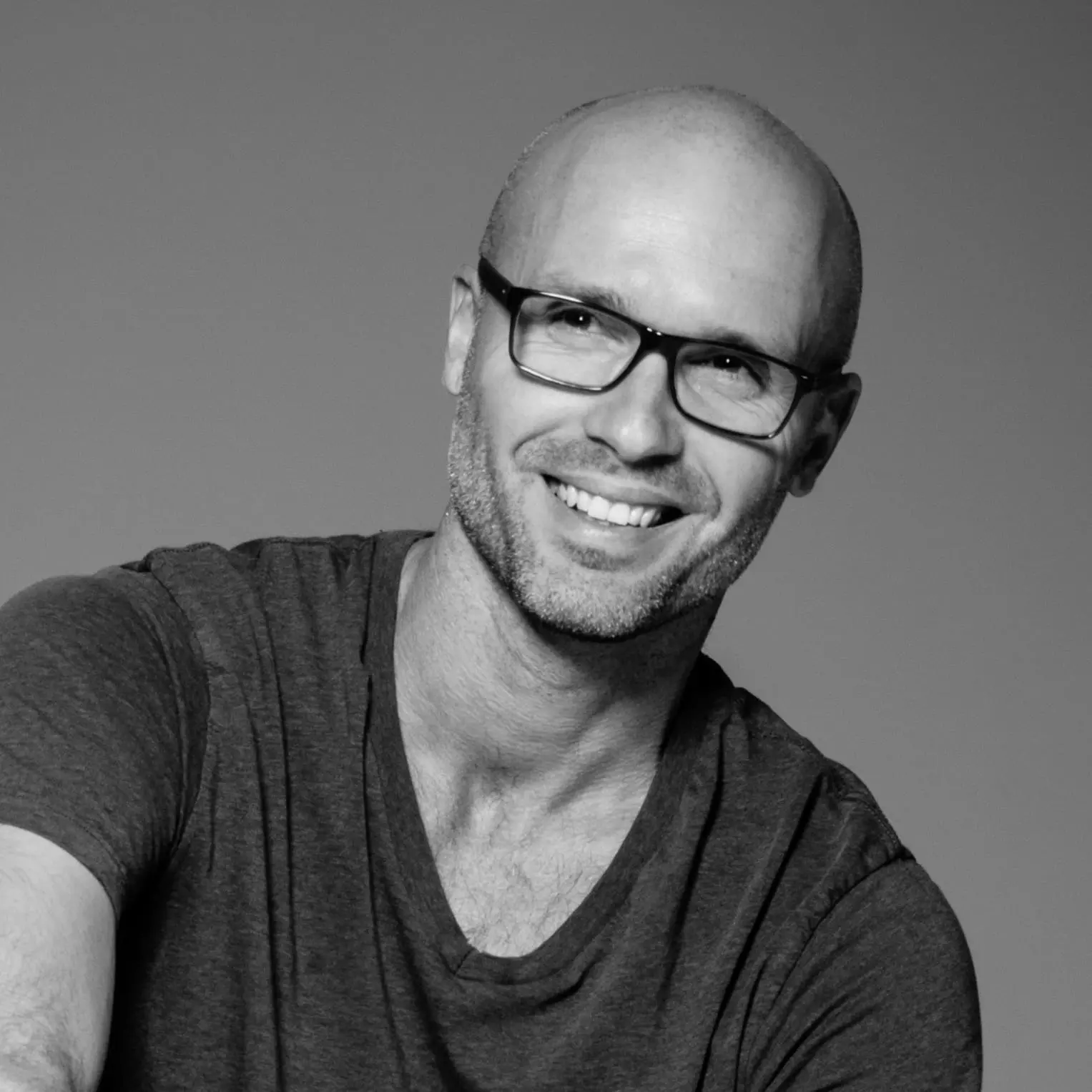
Kit is a seasoned Kiwi-born photographer with over 15 years of industry experience. Starting his journey in Christchurch, New Zealand, before moving to Melbourne, Australia, where he founded Kit Photography in 2012.
With a deep passion for photography that began in his early teens, Kit has honed his skills across various genres, including capturing people, products, and properties. His extensive experience allows him to tell compelling stories through powerful imagery, showcasing his technical expertise and creative vision.
Kit’s client-centered approach and friendly professionalism create a comfortable and dynamic atmosphere on every project. His ability to understand his clients goals ensures exceptional results and lasting professional relationships.