
Your headshot is doing more work than you might think. Before a potential client reads your bio, before a recruiter clicks through to your LinkedIn, before a speaking booker decides you’re worth a look, they’ve already formed an impression based on your photo.
Most people don’t realise how much that split-second judgement shapes what happens next.
Not all professional headshots are built for the same job. You book a session, you dress well, you smile. But the reality is that different types of corporate headshots serve genuinely different purposes, and using a personal branding image where a classic studio portrait is expected (or vice versa) can send the wrong signal entirely, even if the photo itself is great.
Before diving into the five main styles, it’s worth reading our complete guide to corporate headshot photography for a broader look at what to expect from the process itself. This article is specifically about matching your style choice to your professional goals.
Why the Type of Headshot You Choose Actually Matters
Think about the last time you landed on someone’s LinkedIn profile and immediately sensed something was off. The photo wasn’t bad exactly, it just didn’t match what you were expecting from someone in that role, or that industry. That mismatch is what happens when the wrong style gets deployed.
Different platforms, industries, and roles carry different visual expectations. A law firm partner and a keynote speaker are both professionals who need strong headshots, but the image that works for one would feel strange for the other. Getting this right is less about aesthetics and more about communication. What do you want someone to understand about you in the first two seconds?
Kit, Owner and Lead Photographer at Kit Photography, puts it simply:
“A high-quality headshot is critical for making a good first impression and may prompt action from someone online. It’s important that the headshot appears natural, professional, current, and genuine.”
That word genuine is doing a lot of heavy lifting. An image that doesn’t match your actual role or audience will rarely feel genuine, no matter how technically polished it is.To understand what goes into achieving that, take a look at our Corporate Headshot Photography service page.
The 5 Types of Corporate Headshots
1. The Classic Corporate Headshot
Best for: Finance, legal, accounting, consulting, B2B enterprise
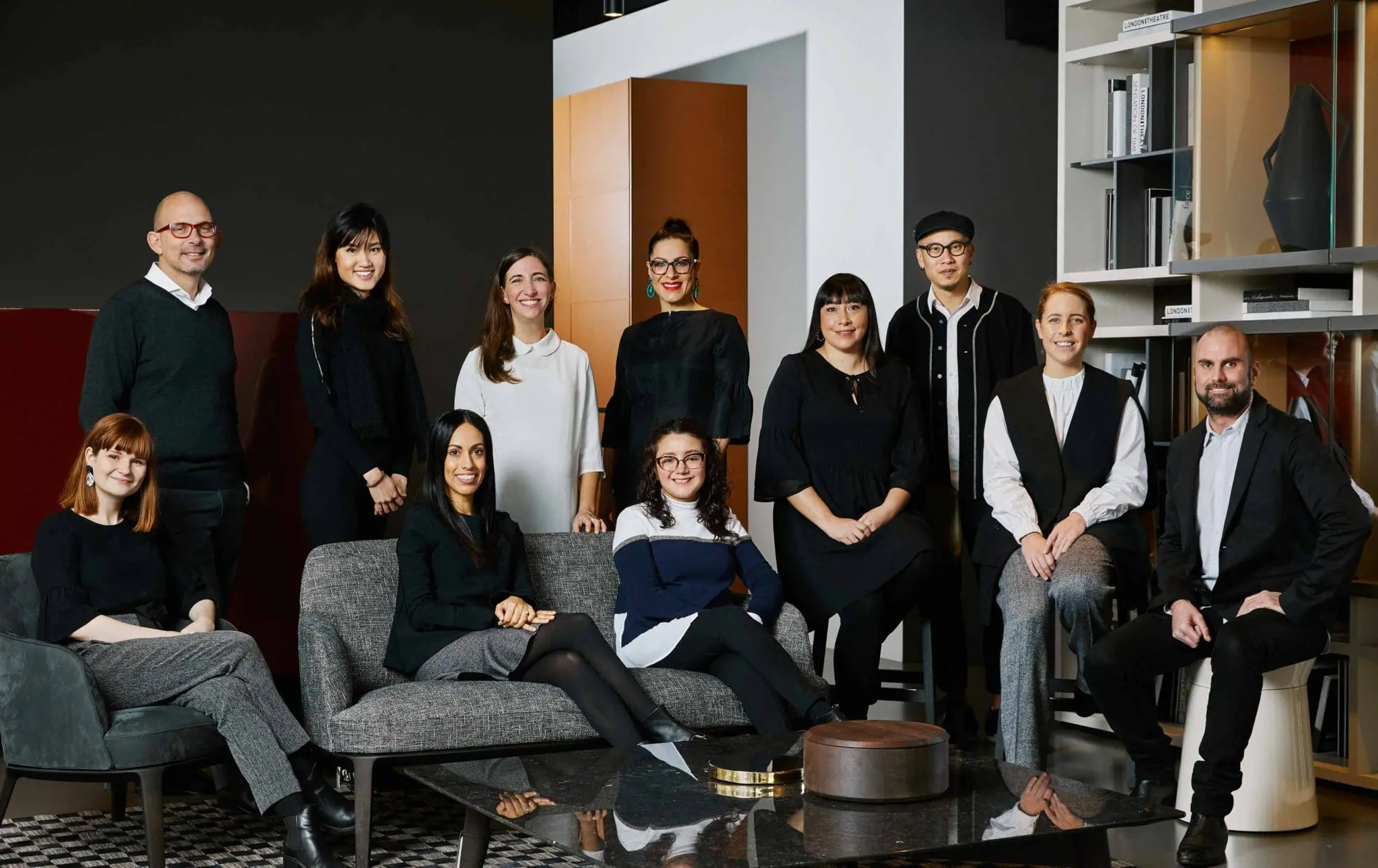
This is the one most people picture when they hear “corporate headshot.” A clean neutral background, controlled studio lighting, and a direct, professional expression. It’s deliberately uncomplicated, which is exactly why it’s so effective at scale.
It works across almost every professional platform without needing adjustment. It crops cleanly, reads clearly at small sizes, and doesn’t distract from the person. For large teams where consistency matters, it’s the default for good reason.
What it communicates: stability, reliability, professionalism.
Where it’s typically used:
- LinkedIn profiles
- Company team directories
- Internal staff databases
- Professional services websites
One thing worth knowing: even this traditionally conservative style has shifted. The trend now, especially across Melbourne’s professional market, is toward something slightly warmer and more approachable while still being polished. Think less boardroom stiffness, more considered confidence.


2. The Executive Headshot
Best for: CEOs, founders, managing directors, board members, senior partners
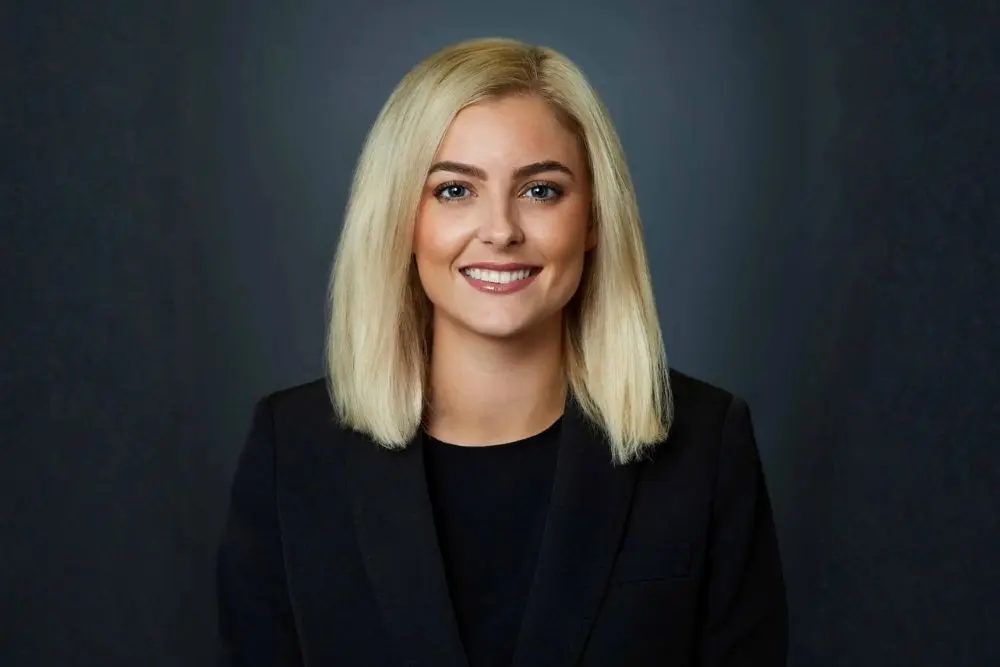
Once you’re at a certain level, a standard team headshot no longer carries the weight your role demands. Executive portraiture is a distinct discipline. The lighting is more sculpted, the backgrounds richer, and the posing is more deliberate.
This isn’t about looking serious. It’s about looking considered. The goal is an image that communicates authority and composure without tipping into stiff or unapproachable.
Kit describes the process this way:
“To help a CEO or founder look like a leader, the process involves guidance on posture and expression, focusing on the full package including body angle, outfit, and eye contact. The objective is to achieve an expression that is confident, calm, and friendly, not stiff, with professional lighting used to highlight their best features and convey authority.”
What it communicates: leadership, trust, decisiveness.
Where it’s typically used:
- Annual reports and investor decks
- Press kits and media bios
- Board profiles and governance pages
- Speaker introductions


3. The Environmental Headshot
Best for: Architects, engineers, real estate developers, medical specialists, creative directors
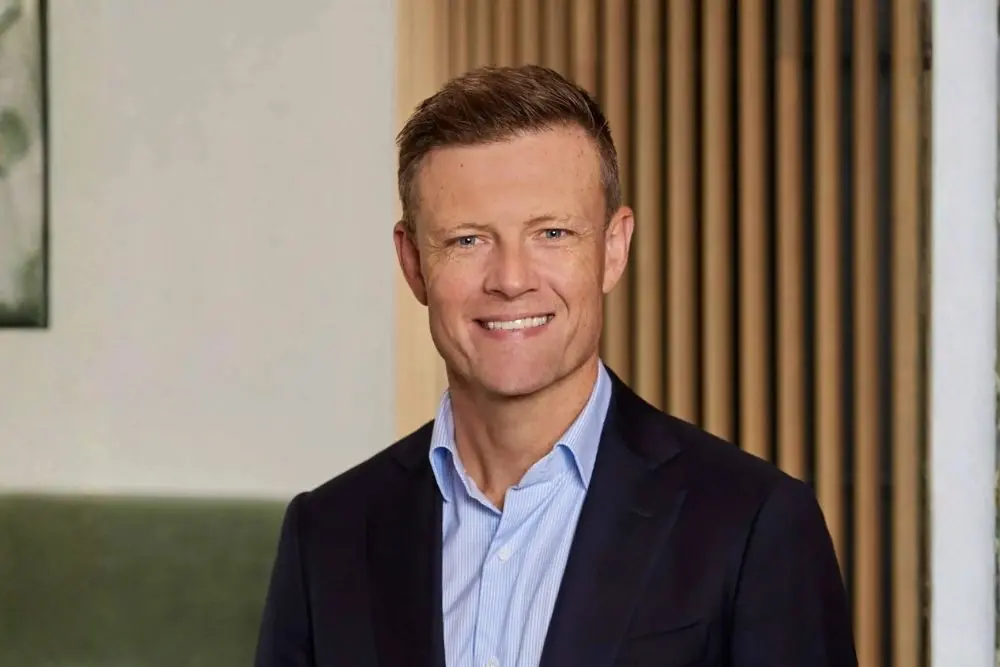
Rather than a neutral studio backdrop, environmental headshots place you inside your actual workspace. The background isn’t absent, it’s part of the story. A shallow depth of field keeps it from competing with your face, but it’s there, adding context and texture.
This style works particularly well when your physical environment reinforces your expertise. An architect photographed against a building they designed, or a specialist in their consulting rooms. The setting becomes part of the professional credential.
What it communicates: authenticity, expertise, context.
Where it’s typically used:
- Website hero images and capability statements
- Editorial features and media profiles
- Industry directory listings
- LinkedIn banners


4. The Personal Branding Headshot
Best for: Consultants, keynote speakers, coaches, independent founders, authors, marketers
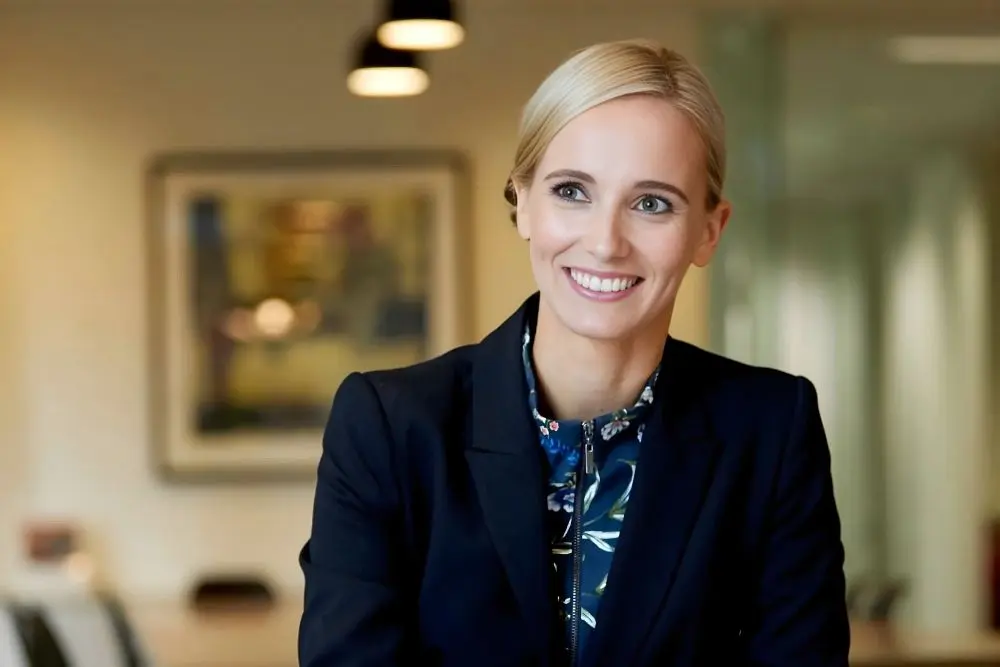
Personal branding sessions are a different proposition altogether. Instead of one strong portrait, you leave with a series. Multiple locations, wardrobe changes, varied expressions, candid moments alongside posed ones. The images are designed to work across platforms, not just fill a profile photo slot.
If you’re building an online presence, running a personal website, writing a book, or regularly appearing on podcasts and panels, a single headshot won’t cover what you need. You need a content library, not a portrait.
As Kit explains:
“Professionals should opt for a personal branding shoot when they require more than a single profile image, needing a series of images that provide greater context about their work, role, and personal brand.”
What it communicates: personality, approachability, range.
Where it’s typically used:
- Personal and business websites
- Speaker bios and media kits
- Social media content across platforms
- Digital courses, books, and editorial features


5. The Team Consistency Headshot
Best for: Enterprise “About Us” pages, law firm directories, national service teams, franchise networks
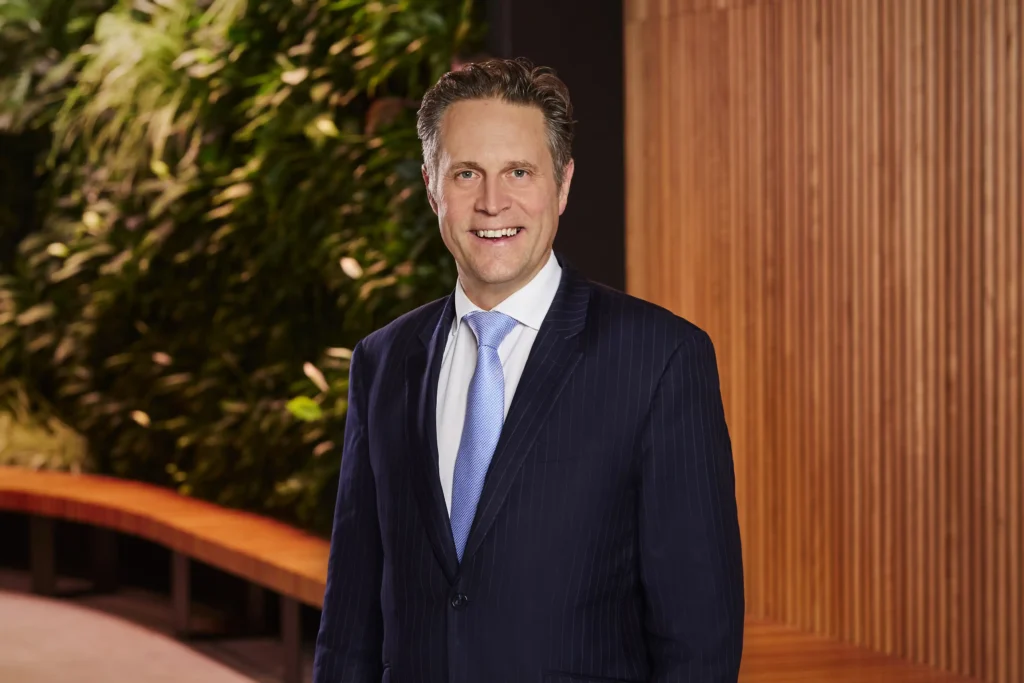
This style is less about individual expression and more about organisational cohesion. When you need twenty, fifty, or two hundred people to look like they belong to the same team, even if they were photographed across different offices or different months, every technical parameter has to be locked in and replicated.
Camera height, focal length, background exposure, lighting angles: all documented, all consistent. The result is a team page that looks genuinely unified rather than assembled from a decade of different photo shoots. You can see how we approach this as part of our broader Corporate Photography services.
What it communicates: professionalism, brand alignment, operational scale.
Where it’s typically used:
- Corporate website team pages
- Staff directories and CRM systems
- Pitch decks and company presentations
- Career and recruitment pages



Ready to find the right style for your brand? Whether you’re updating a single profile image or aligning an entire team, the right headshot starts with the right brief. Let’s work out what that looks like for you.
Get in touch with Kit Photography
How to Choose the Right Style for Your Role
If you’re still unsure which type of headshot fits your situation, use this as a starting point:
| Your Situation | Recommended Style |
| Part of a large corporate team | Classic Corporate or Team Consistency |
| Senior leader, C-suite, or board member | Executive Headshot |
| Your workspace reinforces your expertise | Environmental Headshot |
| You need images across multiple platforms | Personal Branding Session |
| Your whole team needs to look cohesive | Team Consistency Headshot |
| In law, finance, accounting, or consulting | Classic Corporate Headshot |
| Speaker, consultant, founder, or coach | Personal Branding Session |
Before you book, it’s worth thinking through four questions:
- Where will this image actually live?
- A website hero has different requirements than a circular LinkedIn avatar or a printed annual report.
- What does your industry expect?
- Some sectors signal credibility through formality; others signal it through warmth.
- Does this need to scale?
- If your team is growing, you need a style that can be replicated consistently.
- What action should it prompt?
- Trust for enterprise contracts reads differently from approachability for inbound inquiries.
The most common mistake Kit sees isn’t technical, it’s not thinking this through at all:
“The most frequent mistake people make when selecting a headshot style is failing to choose a style unique to them, often by attempting to copy someone else. Other mistakes include not considering their brand, where the images will be displayed, their industry, or their specific audience.”
Why Most Professionals Need More Than One Style
It’s also worth considering that a single headshot won’t cover all your platforms equally well. A more formal image might be exactly right for your firm’s website but feel too rigid on Instagram. A relaxed personal branding shot might be perfect for your speaker bio but slightly out of place in a client pitch deck.
Different platforms have different visual expectations, and the professionals who show up well across all of them usually have a small suite of images to draw from. That might mean a classic corporate portrait for formal contexts and a slightly warmer, more relaxed version for social channels and editorial use.
On LinkedIn specifically, the expectations have shifted noticeably. The images performing well there now are professional and polished, but they’re also warm, human, and unforced. Heavily edited, overtly formal, or studio-stiff images tend to underperform compared to ones that feel like a genuine representation of the person.
Why the Right Headshot Style Strengthens Your Professional Brand
Your headshot isn’t a formality. It’s one of the few elements of your professional presence that communicates before you’ve had the chance to say anything. When the style is right, when it fits your role, your industry, and the platform it’s appearing on, it earns trust passively. When it’s wrong, it creates a small but persistent friction that’s hard to name but easy to feel.
Getting this right doesn’t require a massive investment of time or money. It requires clarity about who you’re trying to reach, what you want them to understand, and which format is most likely to bridge that gap.
Unsure where to start? We’ll help you choose the right headshot style for your role and industry.
Get in touch with Kit Photography
Frequently Asked Questions
What are the main types of corporate headshots? +
There are five main types: the classic corporate headshot (clean, neutral, versatile), the executive headshot (sculpted lighting, leadership-focused), the environmental headshot (captured on location in your workspace), the personal branding headshot (a series of images across varied settings), and the team consistency headshot (uniform style across an entire organisation).
What is the difference between a corporate headshot and a personal branding headshot? +
A corporate headshot is a single, polished portrait typically against a neutral background, designed to work across professional directories and platforms. A personal branding session produces a library of images across different settings and wardrobe changes, built to support a multi-platform digital presence. The first is a profile image; the second is a content asset.
Who should use executive headshot styles? +
Executive headshots are suited to senior leaders including CEOs, founders, managing directors, board members, and institutional partners whose images appear in high-stakes contexts like annual reports, press kits, and investor materials. The style is designed to convey authority and composure, not just professionalism.
Are environmental headshots better than studio headshots? +
Neither is universally better. They serve different purposes. Studio headshots offer clean, controlled, replicable results that work well at scale. Environmental headshots add storytelling depth and authenticity, and work best when your physical setting genuinely reinforces your expertise. The right choice depends on what you’re trying to communicate and where the image will appear.
Why do businesses need consistent team headshots? +
When every team member’s photo uses the same crop, background, lighting, and editing style, the result is a team page that feels cohesive and intentional rather than assembled over time. That consistency signals professionalism and brand alignment to anyone visiting your site, and it’s something clients and recruits notice even if they can’t articulate why.
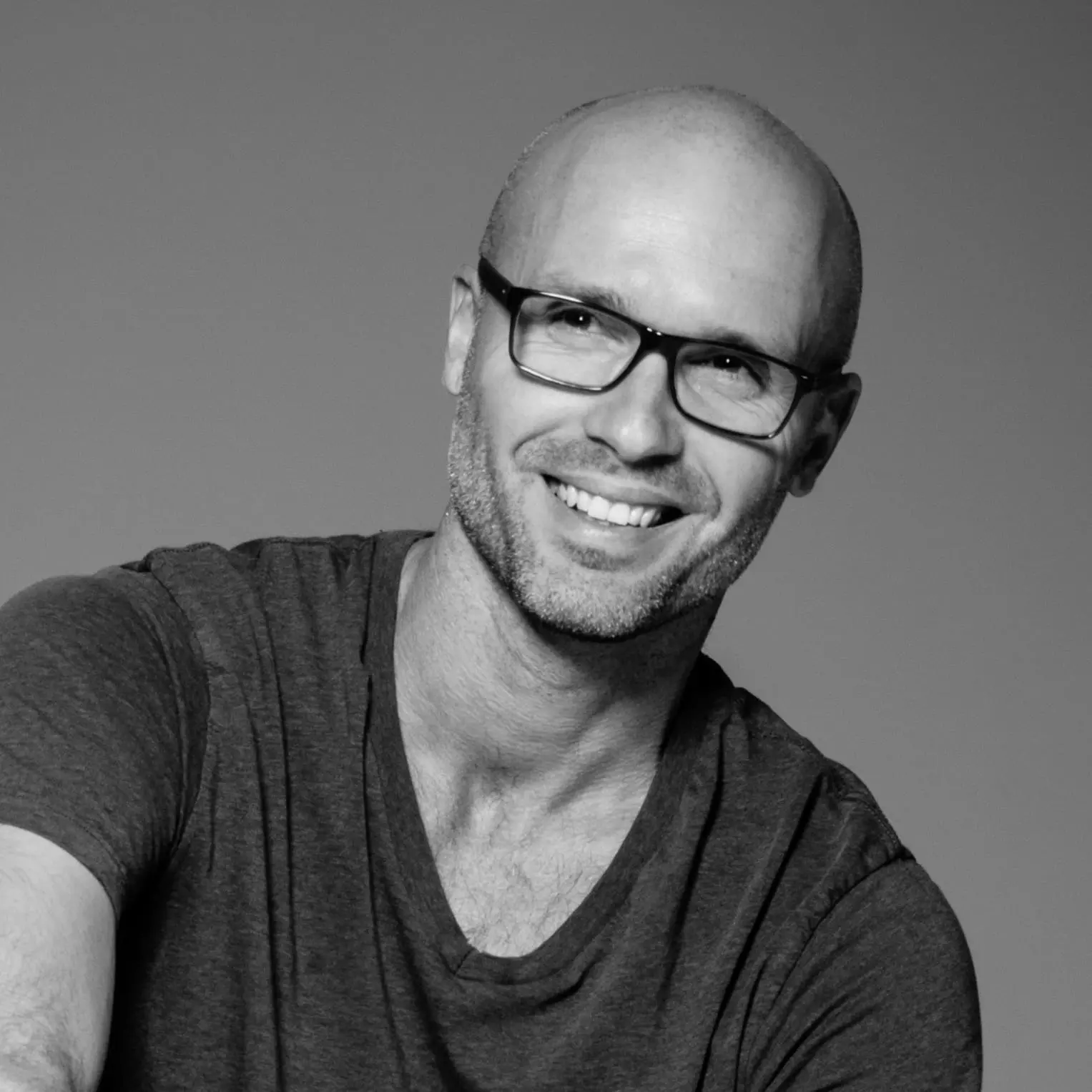
Kit is a seasoned Kiwi-born photographer with over 15 years of industry experience. Starting his journey in Christchurch, New Zealand, before moving to Melbourne, Australia, where he founded Kit Photography in 2012.
With a deep passion for photography that began in his early teens, Kit has honed his skills across various genres, including capturing people, products, and properties. His extensive experience allows him to tell compelling stories through powerful imagery, showcasing his technical expertise and creative vision.
Kit’s client-centered approach and friendly professionalism create a comfortable and dynamic atmosphere on every project. His ability to understand his clients goals ensures exceptional results and lasting professional relationships.